

I am sure you’re aware of “Cook’s Illustrated” that quirky and incomparable publication presided over by a man named Christopher Kimball. Mr. Kimball is the quintessential Vermonter and his practicality is evident on every page of his strictly-no-advertising-that’s-why-it-costs-$30-a year magazine. Personally, its attention to detail and minutiae is fascinating although I could live without some of the “Quick Tips” which readers send in. In the most recent issue these include suggestions like using coffee filters to oil a grill grate and shoe organizers to store spices. On the other hand, the product reviews for everything from non-stick cookware to hot sauce are invaluable. And then, of course, there is the length the Cook’s Illustrated Test Kitchen goes to perfecting recipes for everything from crab cakes to apple pan dowdy. Take, for instance, their recent examination of the Turkey Burger.
The only reason that I can see for the Turkey Burger to exist is to allow non-red meat eaters the joy of the hamburger. Turkey is one of the least flavorful meats on earth and precisely because of its almost complete absence of taste, any seasoning added to it immediately takes over. Thus you create Turkey Pastrami, Turkey Bacon and Turkey Sausage. All by itself, the taste of turkey is practically non-existent. And turkey’s reputation as a healthier alternative to red meat is not all its cracked up to is. Surprised? Well, if you do a side-by-side of 4 oz. of 85 {4e4771bbe073b579fdd8e596ee487f65145483febbc8ba0a80525f62b26cad86} lean beef and of 85 {4e4771bbe073b579fdd8e596ee487f65145483febbc8ba0a80525f62b26cad86} lean turkey, your calorie, fat and saturated fat count makes turkey the winner at 168 calories, 9.3 grams of fat and 2.5 grams of saturated fat. Beef comes in at 243, 17 and 6.6 respectively. If you’re dieting or eating less fat, the turkey burger wins. But for more calcium, protein, or potassium in your diet, you’ll want to choose the regular hamburger. And get this: the turkey burger is higher in sodium and cholesterol. Then there’s the little matter of add-ons. To help the turkey burger out, slathering the bun with mayo or topping the thing with cheese pretty well defeats the purpose of choosing turkey in the first place. So what Cook’s Illustrated did was to add some ingenious ingredients that maximize the moisture content so you get a truly juicy Turkey Burger without the need for any diet-busting add-ons. And they did it by cooking 200 burgers.
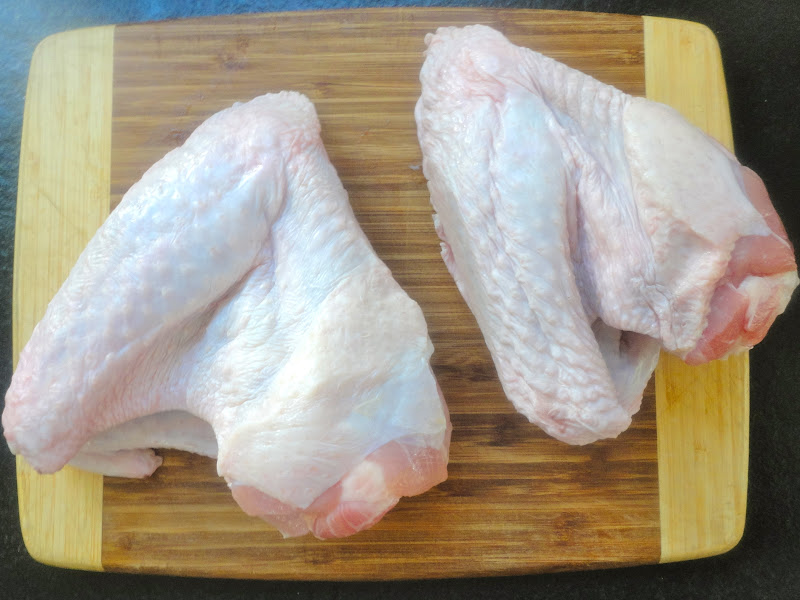
Now before I reveal the secret of their success, I need to tell you that Cook’s Illustrated and I had a parting of ways. At times, I do feel they go completely overboard in their instructions. This particular recipe involved numerous grindings of turkey in the food processor, all of which was backed up by in-depth scientific explanations for why they made making the burgers so labor intensive. I tried very hard to follow their initial instructions to the letter, but I was completely stymied at the very first stage. CI acknowledged that the turkey thigh is the meat of choice precisely because it contains more fat than the lean white meat. Their suggestion was to buy turkey thighs, disassemble them and grind them in the food processor. I could find no turkey thighs at the supermarket. There were turkey cutlets, breasts and wings. I took home a package of wings. I have never encountered anything harder to de-bone. It was next to impossible and I quickly gave up. But I didn’t want to give up on the recipe. So I returned to the supermarket, bought 93 percent lean turkey and proceeded with the rest of the recipe. And I simplified it mightily. The result was a burger that would pass any juiciness test. It’s spectacularly good–even if I didn’t break a sweat making it.
The way the juiciness factor is amped up is relatively easy to understand. First you add gelatin to some chicken broth. The gelatin holds the broth together in the patty. Then too there’s the addition of some white button mushrooms, again adding little flavor but plenty of moisture to the meat. A tablespoon of soy sauce, a couple of tablespoons of vegetable oil and a pinch of baking soda and you’re there. True to “Cook’s Illustrated” there’s a whopping explanation of the chemistry behind these additions. I’ll spare you what I could barely understand and just give the recipe a big thumbs up. The burgers are juicy and delicious. And CI even included and recipe for Malt Vinegar-Molasses Burger Sauce. That and some sliced cheese and you’ve got yourself one wonderful burger. Although I couldn’t help but wonder how much healthier it was than plain old hamburger. Here’s the recipe:
Recipe for the Perfect Turkey Burger adapted from Cook’s Illustrated Magazine:
Makes 6 burgers.
1 1.3lb package of 93{4e4771bbe073b579fdd8e596ee487f65145483febbc8ba0a80525f62b26cad86} lean ground turkey
1 1.3lb package of 93{4e4771bbe073b579fdd8e596ee487f65145483febbc8ba0a80525f62b26cad86} lean ground turkey
1 tablespoon unflavored gelatin
3 tablespoons low-sodium chicken broth
8 ounces white mushrooms, trimmed
1 tablespoon soy sauce
Pinch baking soda
2 tablespoons vegetable oil , plus extra for brushing
Kosher salt and pepper
Pinch baking soda
2 tablespoons vegetable oil , plus extra for brushing
Kosher salt and pepper
6 English Muffins
Instructions:
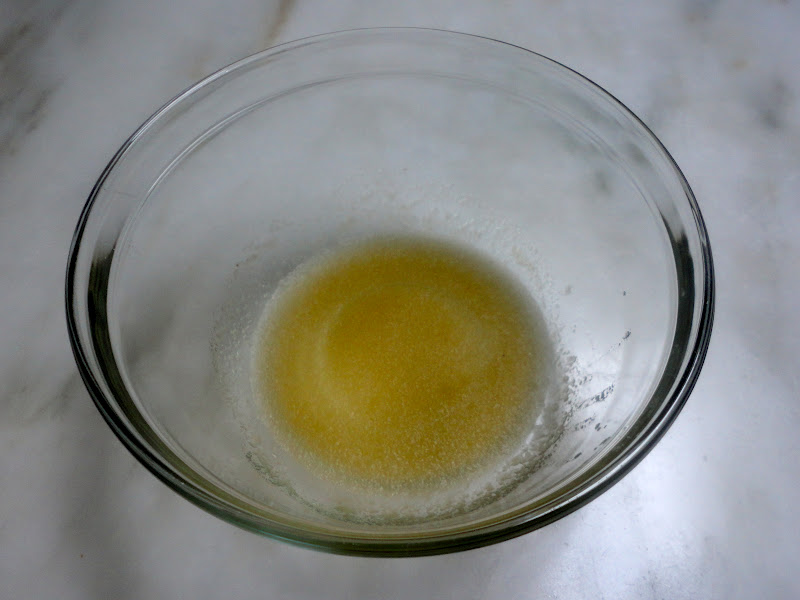
Put the chicken stock in a bowl and sprinkled the gelatin over the top.
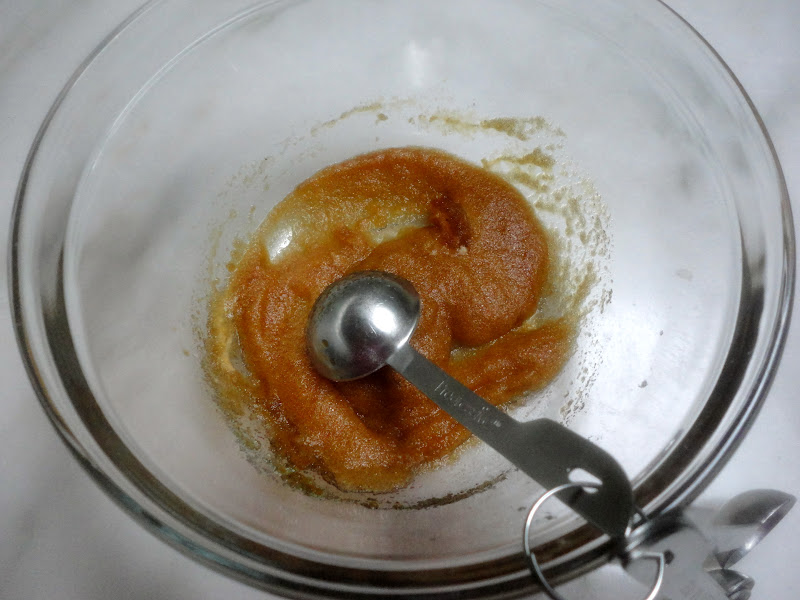
Stir the soy sauce into the gelatin mixture
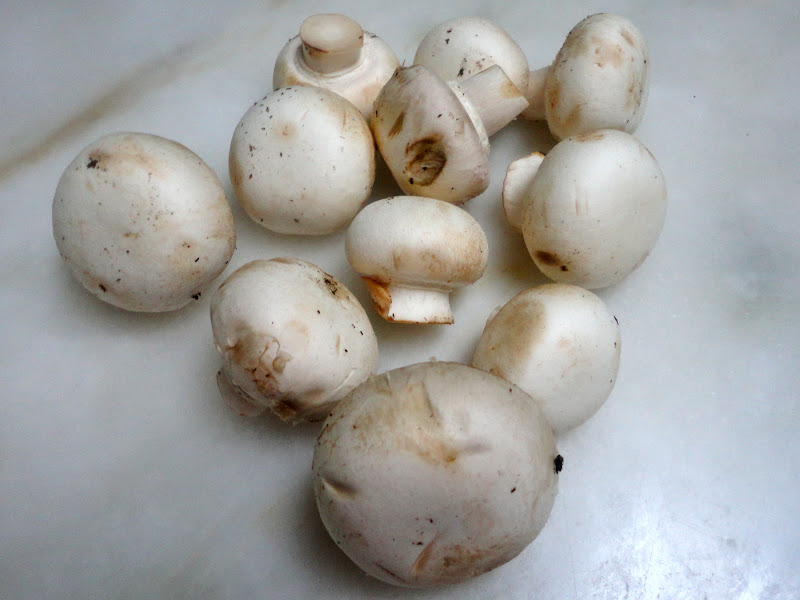
Trim the mushrooms and put them in the bowl of a food processor.

Process until they are finely chopped.
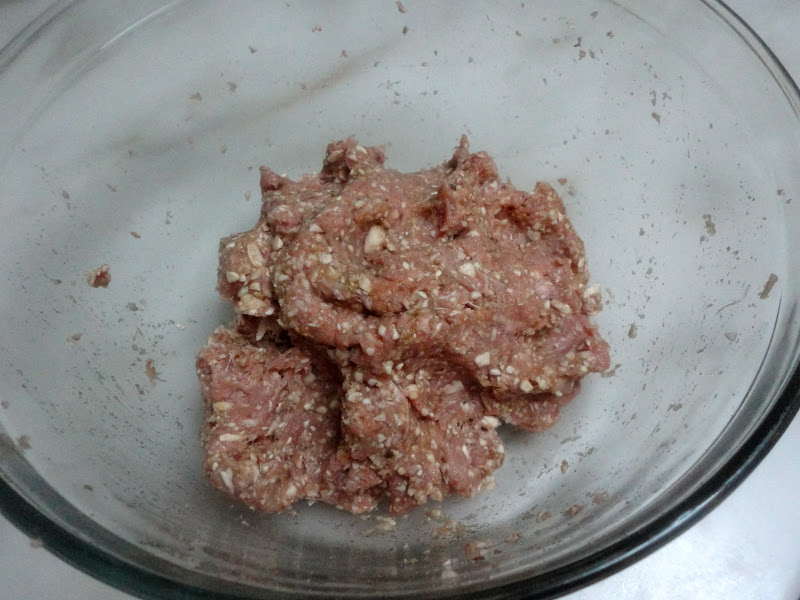
Place the ground turkey in a bowl. Add the softened gelatin, soy sauce, and baking soda. Slowly drizzle in oil. Transfer mushroom mixture to bowl with ground turkey and use hands to evenly combine.
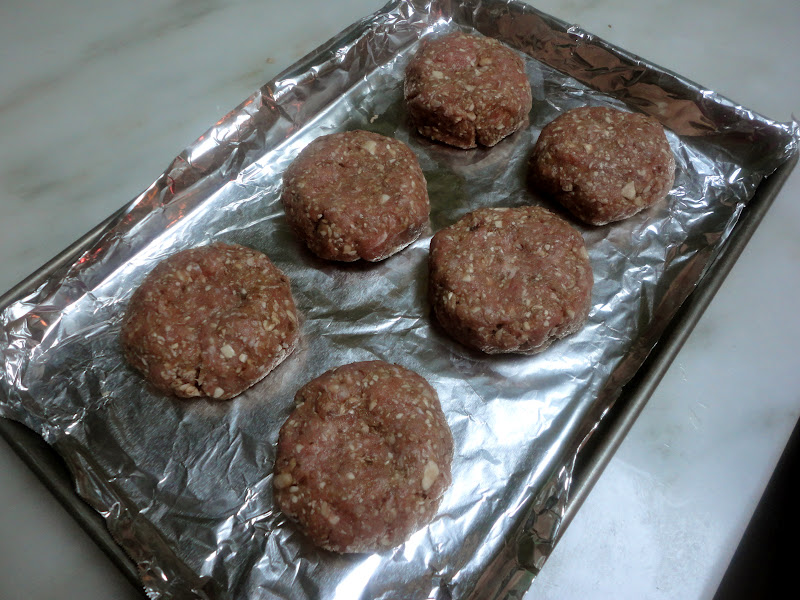
With lightly greased hands, divide meat mixture into 6 balls. Flatten into 3/4-inch-thick patties about 4 inches in diameter; press shallow indentation into center of each burger to ensure even cooking. (Shaped patties can be frozen for up to 1 month. Frozen patties can be cooked straight from the freezer.)
If you like, you can cook the Turkey burgers on the grill. Clean and oil cooking grate. Brush 1 side of patties with oil and season with salt and pepper. Using spatula, flip patties, brush with oil, and season second side. Place burgers over hot part of grill and cook until burgers are well browned on both sides and their internal temperature register 160 degrees, 4 to 7 minutes per side. (If cooking frozen burgers: After burgers are browned on both sides, transfer to cool side of grill, cover, and continue to cook until burgers register 160 degrees.)
If you’d prefer, you can cook the burgers on a non-stick surface for 4-7 minutes a side, checking that they are cooked to 160 degrees with an instant read thermometer
7. Transfer burgers to plate and let rest for 5 minutes. While burgers rest, grill buns over hot side of grill or toast them in a toaster oven. Transfer burgers to buns, add desired toppings, and serve.
Cook’s Illustrated’s Recipe for Malt Vinegar-Molasses Burger Sauce:
¾ cup mayonnaise (I like Hellmann’s Olive Oil Mayo best)
4 tsp. malt vinegar
½ tsp. molasses
¼ tsp. Worcestershire sauce
¼ tsp. salt
¼ tsp. pepper
Whisk all ingredients together in a bowl. Serve.







You are right about Turkey burgers, you really need to spice them up. I was curious to see what Mr. Kimball used in his preparation. I like the Mushrooms, do not like the gelatin. I like the Worcestershire, do not care for the Molasses. I also tend to use liquid smoke as Edward still does not (it's a mental block) think they are flavorful. Turkey burgers – I'm a big fan!
Ana, I was very surprised how very juicy these burgers were. You really do not "sense" –either in taste or texture–the gelatin but I am pretty sure that's why these are really 5 napkin juicy. I can't wait to hear how they work without it. MM
ok, I guess that is true, I do not recall having a juicy turkey burger without adding the toppings. You got me there! C:
I tried on the grill but the patty just oozed through the grate and made flipping it impossible. Trying the skillet this time.
For those having trouble grilling these, just freeze them first and throw them in the grill, making sure to proper oil grate before. It’s actually nice to have a big batch of these at the ready in the freezer as it makes for a quick meal.
Thanks so much for the tip Robert! Bon Appetit!
Dear Anonymous…I am sorry you had a problem with the Burger. I guess juicy burgers do have their drawbacks. Truth be told I never have tried grilling these. Do you think I should just remove those instructions from the recipe?
I followed this recipe to the tee and it turned out amazing. I am definitely going to make this again. Grilled it and added a bit more seasoning. Froze the patties (did sliders).
Dear Shari, Thank you so much for taking the time to write. Nothing makes us happier than when a recipe works out to the great satisfaction of our readers. Keep coming back and we’ll keep publishing good things to eat. Bon Appetit!