SIMPLEST EVER POTATO LATKES AND BAKED APPLESAUCE FROM INA GARTEN FOR HANUKKAH
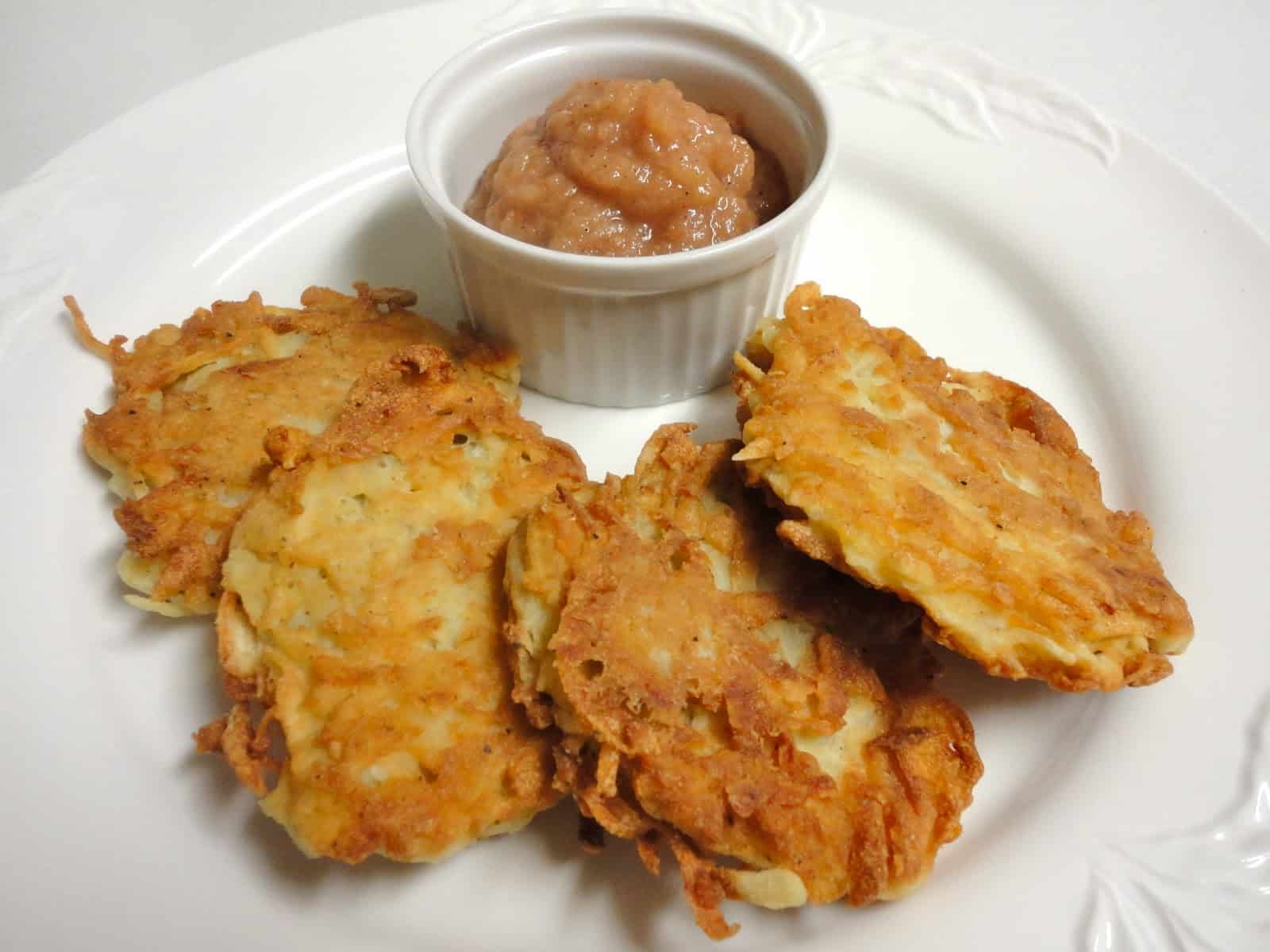
OF ALL THE DISHES SERVED FOR HANUKKAH, NONE IS MORE CLOSELY LINKED TO THE HOLIDAY THAN THIS SIMPLE POTATO LATKE.
The Shammash being used to light the
candles on the Hanakkah Menorah
Friday is the first day of Hanukkah, the Jewish Festival of Lights. The holiday, which is celebrated every December, commemorates the time when a small army of Jews defeated the Syrian King Antiochus IV (ca 215-164 B.C.) who had taken over Jerusalem and vowed to destroy Judaism. Antiochus had filled the Jewish temple with Syrian idols. In a surprise attack, led by Judas Maccabee, the small Jewish force recaptured Jerusalem and reclaimed their temple. But when they went to light their holy lamps, they found only a single vial of oil. Lo and behold, this tiny amount of oil burned the lights for eight days. This was declared a miracle. Now, during the eight days of Hanukkah, every night celebrants light a candle in a Menorah (a candle holder with places for 9 candles ). They also exchange small gifts and make donations to the poor. The ninth candle, called the shammash, has only one purpose: to light the other eight. Since no Jewish festival of any kind is unaccompanied by glorious food, Hannakah is no exception. And of all the dishes served, none is more closely linked to the Festival of Lights than the latke or potato pancake. And of course, there is a story is also attached to the Hannakah latke. And it’s a doozy.
Gentileschi’s Portrait of
Judith with the head of
Horofernes
Originally, the pancakes were made of cheese and they were connected to the story of Judith. According to legend, Judith, the daughter of the Hasmoneans, the family of Judas Maccabee, fed cheese to Holofernes, the leader of the enemies of the Jews. The cheese made him so thirsty that he drank too much wine. Once he was quite drunk, Judith cut off his head. For this reason, Jews eat cheese delicacies on Hannukah. Eventually, all forms of pancakes were accepted as part of the holiday ritual. Because Pancakes are cooked in oil, they are also a reminder of the miracle of the oil. In the case of Ina Garten’s latke recipe, the oil is clarified butter.
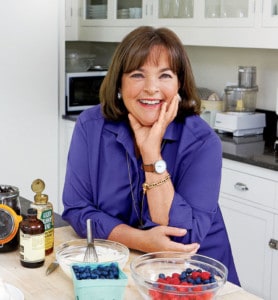
INA GARTEN, QUEEN OF THE LATKE
INA GARTEN’S RECIPE FOR POTATO LATKES IS AN OUTSTANDING EXAMPLE OF PARED-DOWN INGREDIENTS AND FLAWLESS EXECUTION.
If you want cooking cut down to its essence, there’s likely no better person to go to than Ina Garten. When I was researching Latke recipes, I simply could not believe how complicated some of them were. Potatoes were boiled, onion was grated and squeezed dry—it sounded like a highly complex afternoon in a very messy kitchen. Not so with Ms. Garten’s invention. Here, plain baking potato is grated, its moisture removed in a kitchen towel, an egg, a little flour, salt, and pepper are added, and into the frying pan they go bubbling away for all of 2 minutes a side until they are crisp and golden and irresistible.
AND THEN THERE’S INA’S APPLESAUCE…
Ina’s recipe is loaded with Apples and Citrus
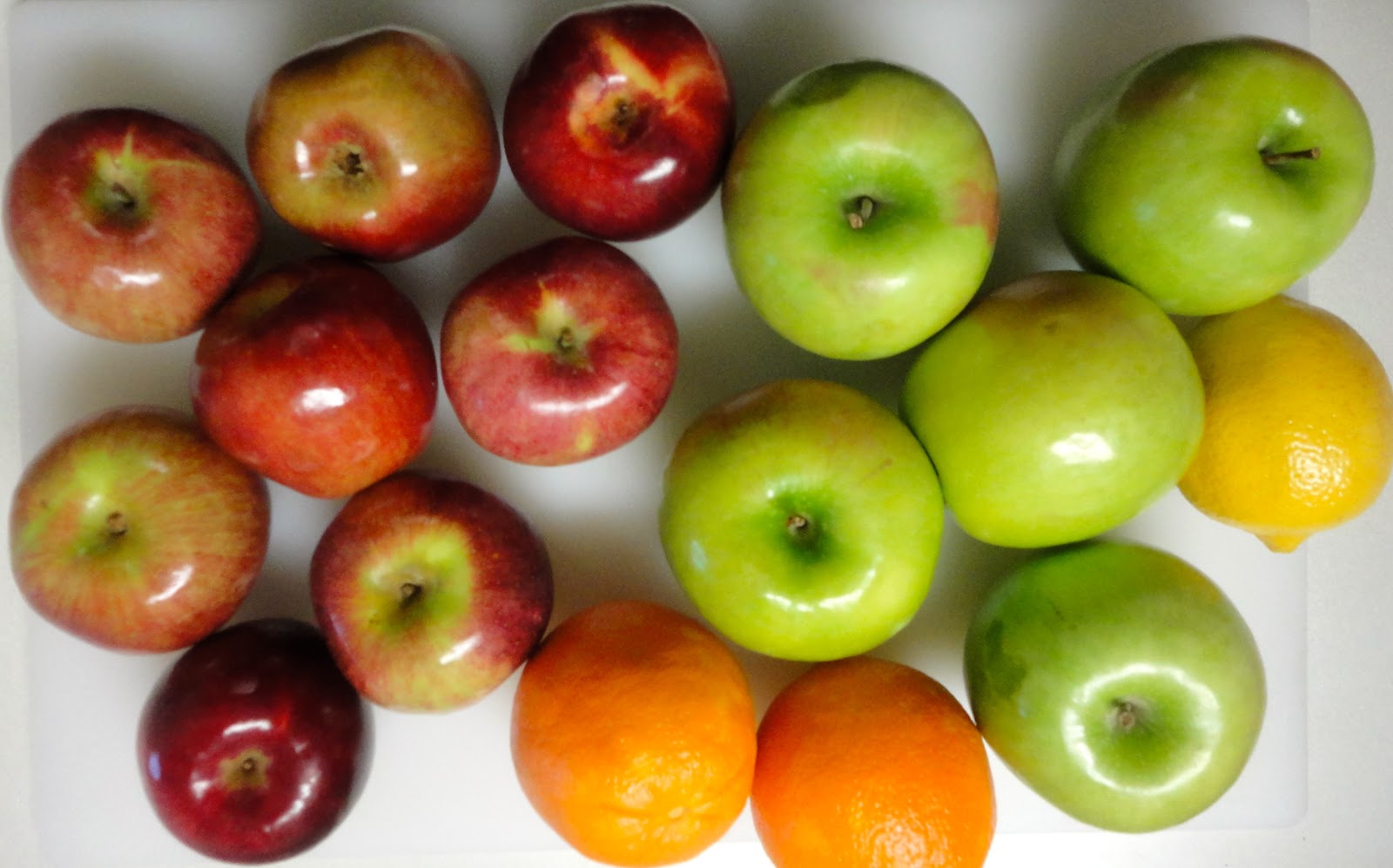
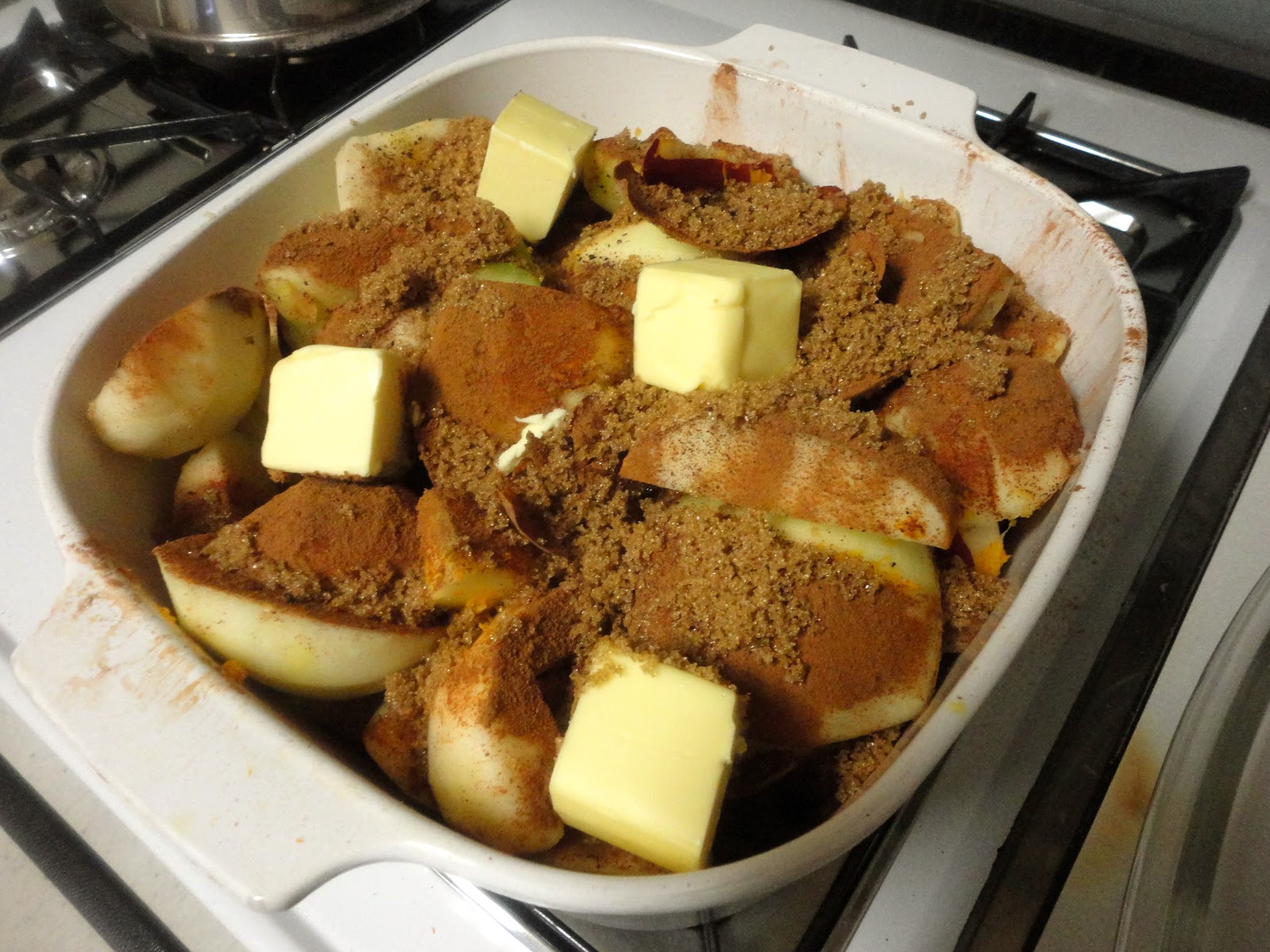
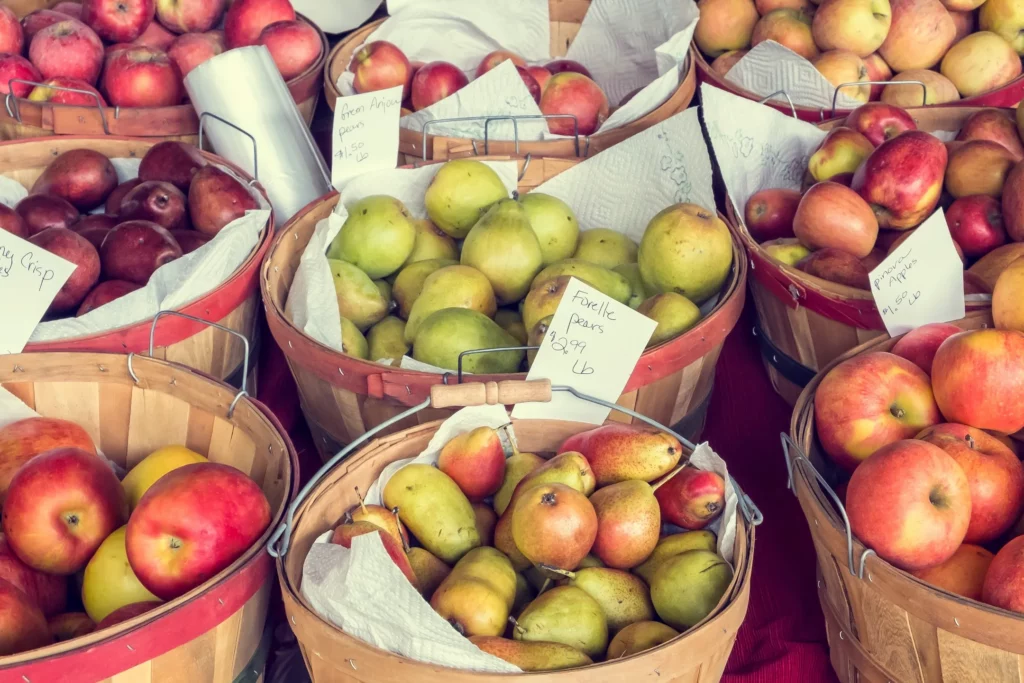
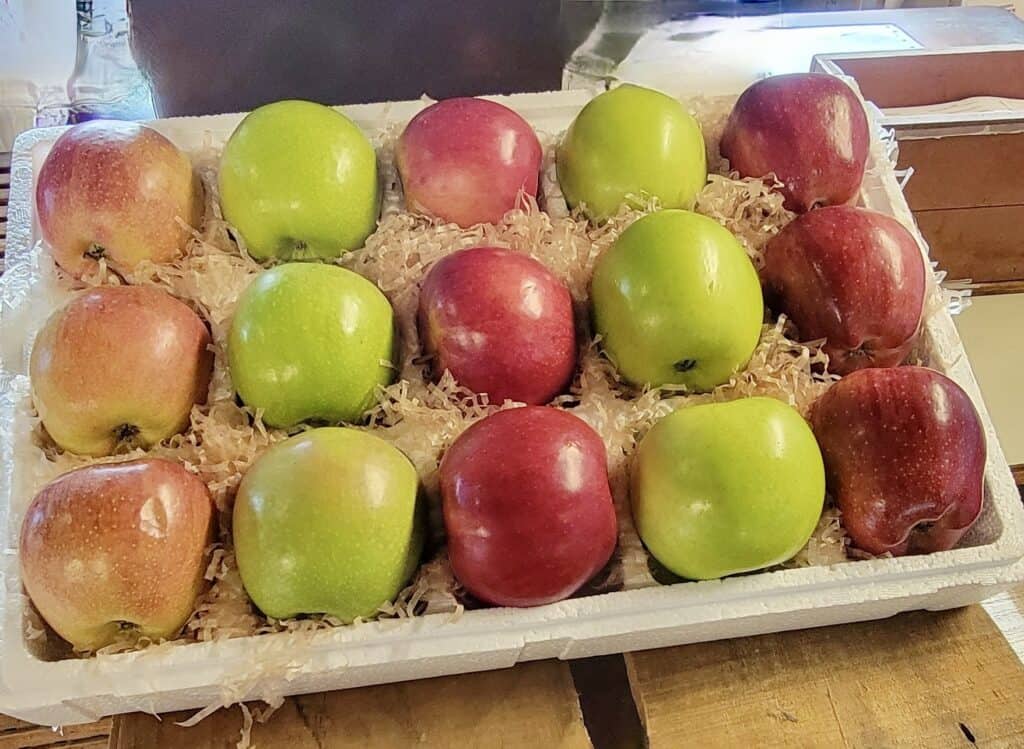
The connection between applesauce and Hannakah doesn’t seem to have any of the religious significance of the latke. But other than sour cream, virtually every latke recipe pairs the pancake to applesauce. But Ina’s Applesauce is not the stuff that I remember. Baked in the oven, the smell alone is enough to seduce. Allspice and cinnamon, brown sugar and butter top masses of peeled and cored apples, the tart Granny Smith and the sweet Macoun. The surprise in the recipe is the amount of citrus that Ina starts with. Both Navel Orange zest and juice have a role here. Then a whole lemon is similarly zested and juiced. The addition of the citrus makes the dish sing. And if your only acquaintance with applesauce is something out of a jar, you are in for a wonderful surprise! The only caveat is that you will have masses of applesauce—far too much for the relatively small number of latkes Ina’s recipe for them make. But since we are fortunate enough to have masses of children in our lives, I am sure we’ll be able to give a little Hannakah Gift to each one of them, whether they celebrate the Festival of Lights or like us, just enjoy its irresistible culinary traditions. Here are the recipes:
Recipe for Baked Applesauce from Ina Garten
Make the applesauce first. The latkes are a very last-minute dish as the potatoes will quickly go brown unless they’re cooked the minute the latke mixture is made. And the heavenly smell of the applesauce
is something you’ll want to savor for as long as you can.
Zest and juice of 2 large navel oranges
Zest and juice of 1 lemon
3 pounds Granny Smith apples (6 to 8 apples)
3 pounds sweet red apples, such as Macoun, McIntosh, or Winesap (6 to 8 apples)
1/2 cup light brown sugar, packed
1/4 pound unsalted butter
2 teaspoons ground cinnamon
1/2 teaspoon ground allspice
Preheat the oven to 350 degrees.
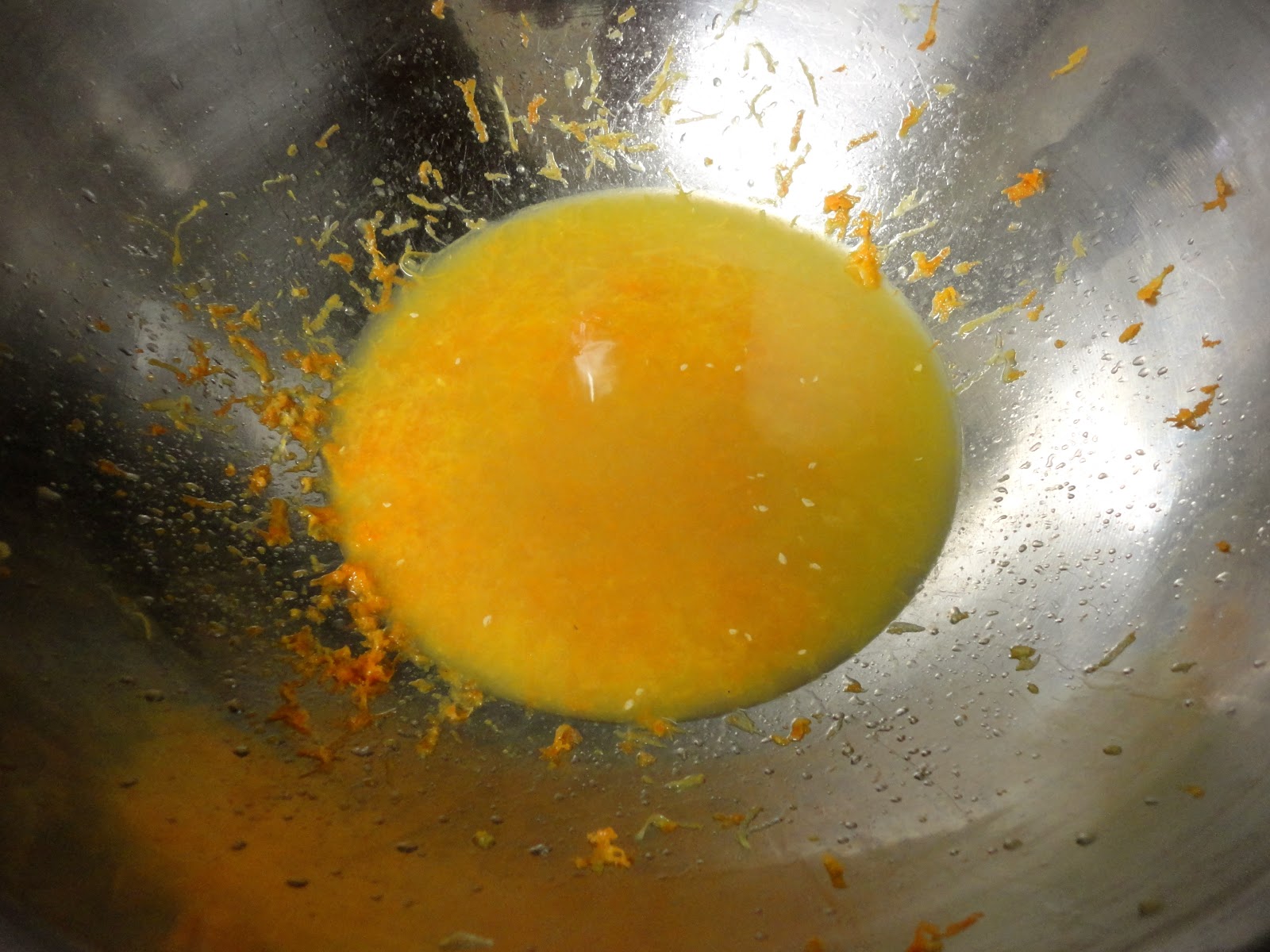
Place the zest and juice of the oranges and lemon in a large bowl.
Peel, quarter, and core the apples and toss them in the juice. Pour the apples and juice into a nonreactive Dutch oven or enameled iron pot. Add the brown sugar, butter, cinnamon, and allspice and cover the pot.
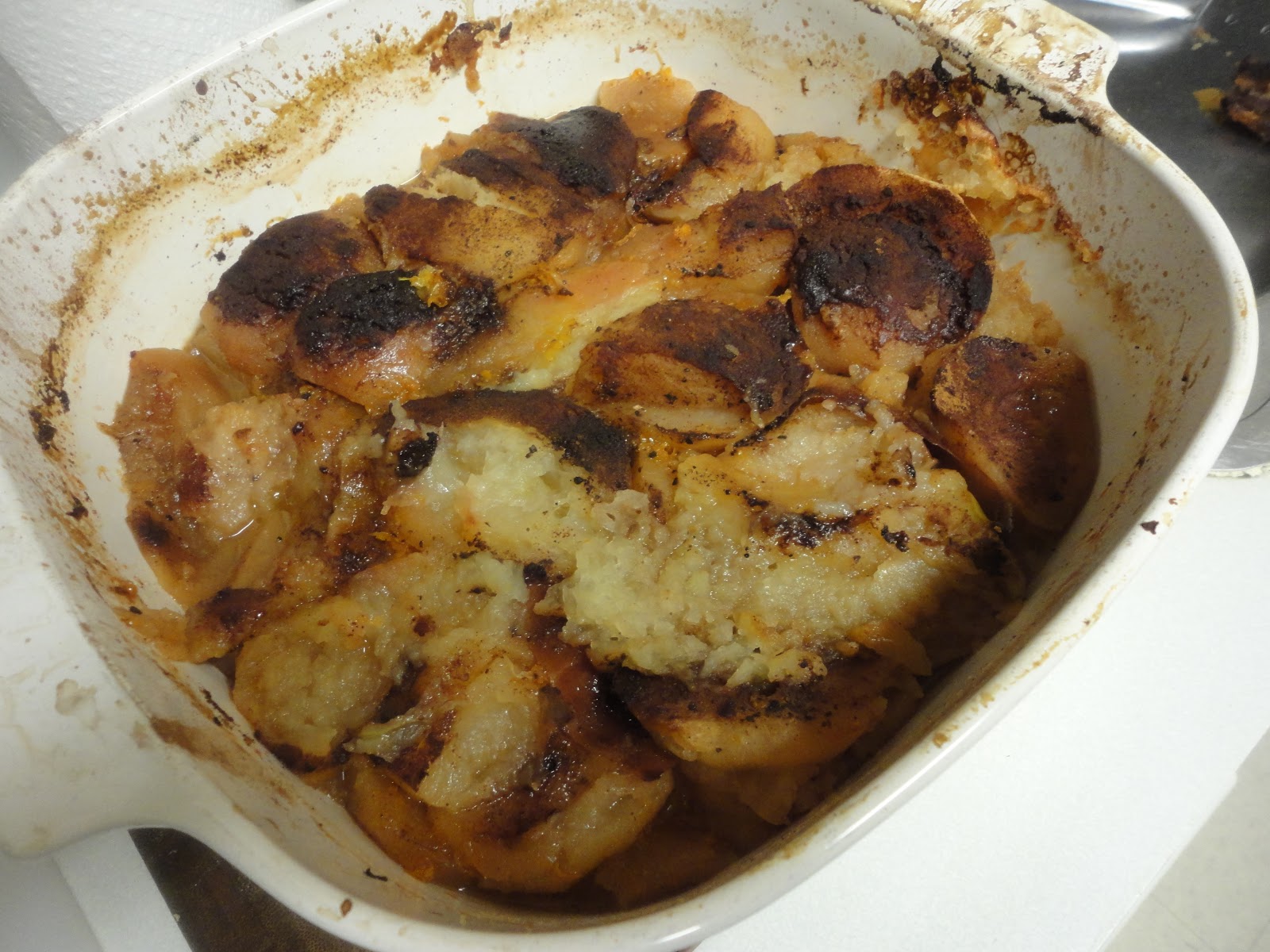
Bake for 1 1/2 hours, or until all the apples are soft.
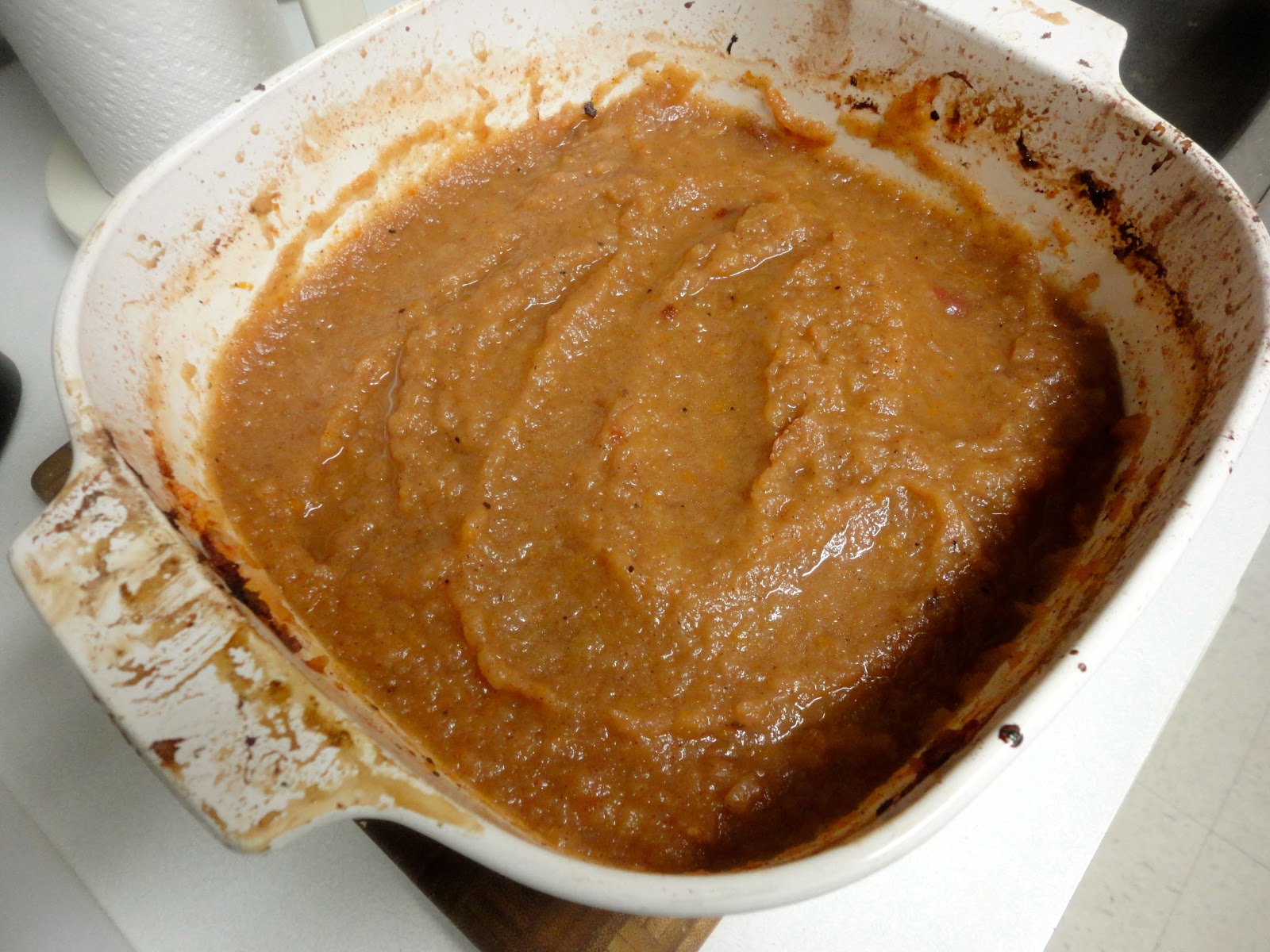
Mix with a whisk until smooth. Do not refrigerate as the applesauce is so much better served warm or at room temperature.
Recipe for Simplest Ever Potato Latkes from Ina Garten
2 large baking potatoes
1 extra-large egg, whisked
3 tablespoons all-purpose flour
1 1/4 teaspoons kosher salt
1/4 teaspoon freshly ground black pepper
3 tablespoons clarified butter
Peel the potatoes and grate them on a box grater. Wrap the grated potatoes in a kitchen towel and squeeze out as much liquid as possible. Combine the potatoes in a bowl with the egg, flour, salt and pepper. Mix well.
Melt the clarified butter in a large saute pan over medium heat. Place a tablespoon of the potato mixture into the sizzling butter and cook for 2 minutes. Turn the pancakes over and cook for another 2 minutes, or until crisp on the outside and golden brown. Serve the pancakes hot from the skillet.
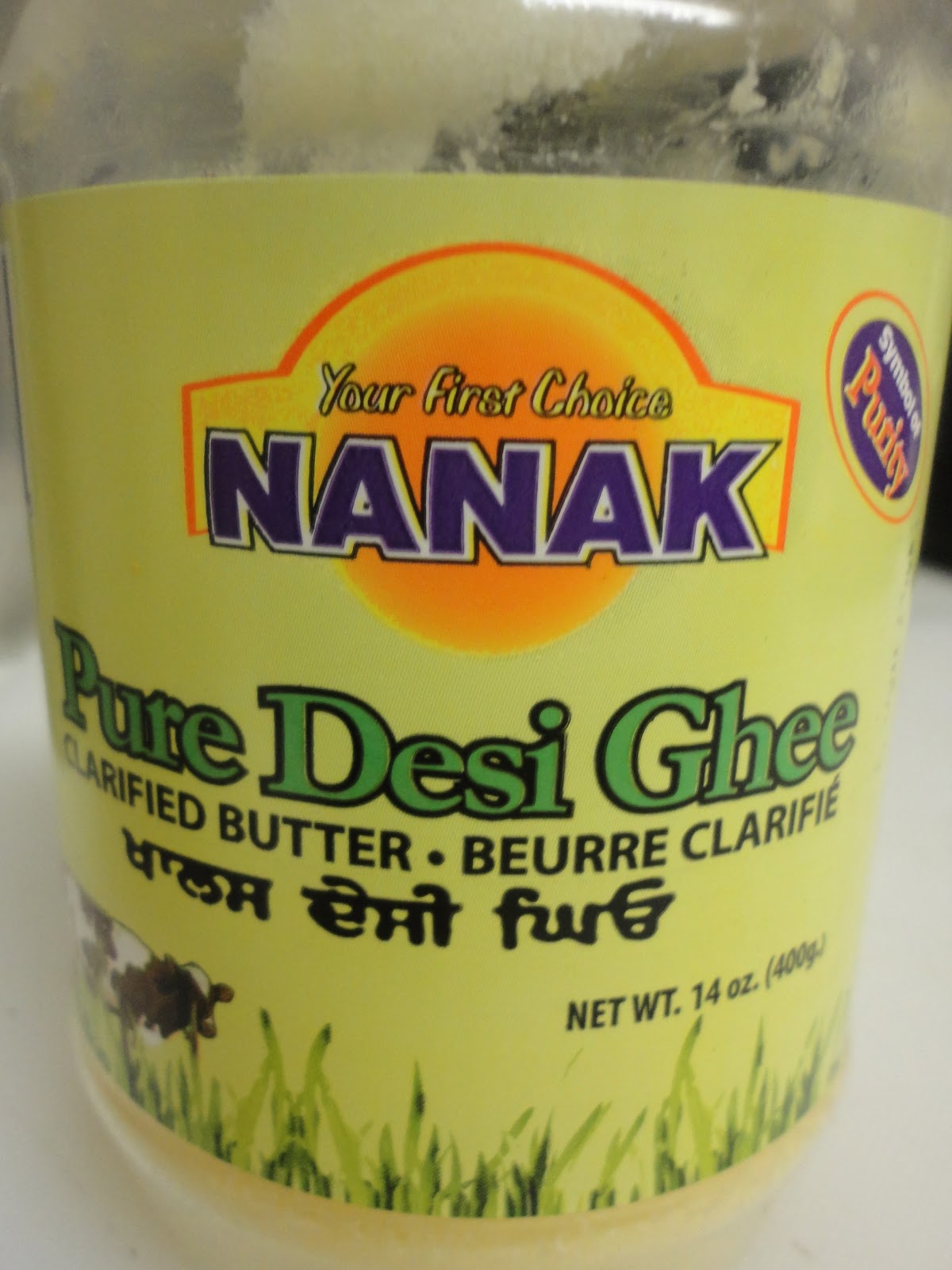
Note: Clarified butter is butter which has had its milk solids removed. Once this is done, the butter can be heated to a higher temperature without smoking, a perfect oil to fry your latkes. To make the clarified butter, slowly melt 4 tablespoons butter in a small saucepan. Set it aside until the milk solids settle. Spoon off any solids that rise, then carefully pour off the golden liquid, discarding the milky part in the bottom of the pan. Now if this all sounds too complicated, and if you are fortunate to live anywhere near an Indian market, you can buy a clarified butter called “Ghee”. Not only is Ghee an incredible time-saver, the stuff keeps in the refrigerator forever or at least until next Hannakah.
Dear Linda, Ina’s recipe doesn’t call for onion. Perhaps that’s why she calls hers “The Simplest Ever Latkes”! But if you want to add some grated onion, I am sure she would give you a special dispensation. All best, Monte
These may be called simplest but they are not legit. Matzoh meal is what should be used , not flour. Onion is needed for better flavor. The applesauce sounds good and I do prefer applesauce as a topping for latkes.
The applesauce recipe looks amazing (my wife is already a master of about eight different Latke recipes, from traditional Potato/Onion to a Mediterranean variety made with Potato, Artichoke, and Feta to Latkes made from Beets).
In the spirit of returning the favor, one secret to making great Latkes is getting them all the same size (give or take) and having the right pan. Last year I discovered this pan (see link, below), from Browne Food Service, and my wife liked it so much that I bought a second; when you’re making eight dozen Latkes, you need two pans going at once or you’ll be there all day. The pans are heavy-duty commercial grade, with a ¼”-thick Aluminum bottom (stainless-clad), extremely slick, and the helper handle means that you don’t need to be Hulk Hogan to move them around. They’re also very reasonably priced; we use universal lids on them for sweating Onions, etc. Our stove is 48” wide and large enough for two 14” pans; if your stove is smaller, don’t buy two pans if they both won’t fit directly over the burners.
To control the Latke size, use an ice cream scoop. We have about four of them, of varying sizes, so figure out which one holds enough batter for a 4″ or so Latke and go to work (we use a 2 oz. scoop with the little lever that scrapes the batter out of it). My family ran a Kosher catering business, so I grew up with ice cream scoops for Latkes and meatballs, among other things. When making the Latkes, work with two Silicon spatulas and turn them gently so that they hold together and you don’t send oil splattering everywhere.
Use enough oil to cover the pan such that the Latkes essentially float; too much oil that is really hot (shimmering) is better than not enough oil and you’ll likely have to add some as you go; the Olive Oil sold by Costco is great for frying and very reasonably priced (save the fancy Olive Oil for salad dressings, etc.). Stir the Latke batter frequently because the water from the ingredients will settle to the bottom.
A final tip is to make sure your stove is level. If it isn’t, the oil will tend to pool on the sides of the pans and things won’t cook evenly. Most stoves/ranges have adjustable legs, so use a level on top to make sure the cooking surface is level in all directions.
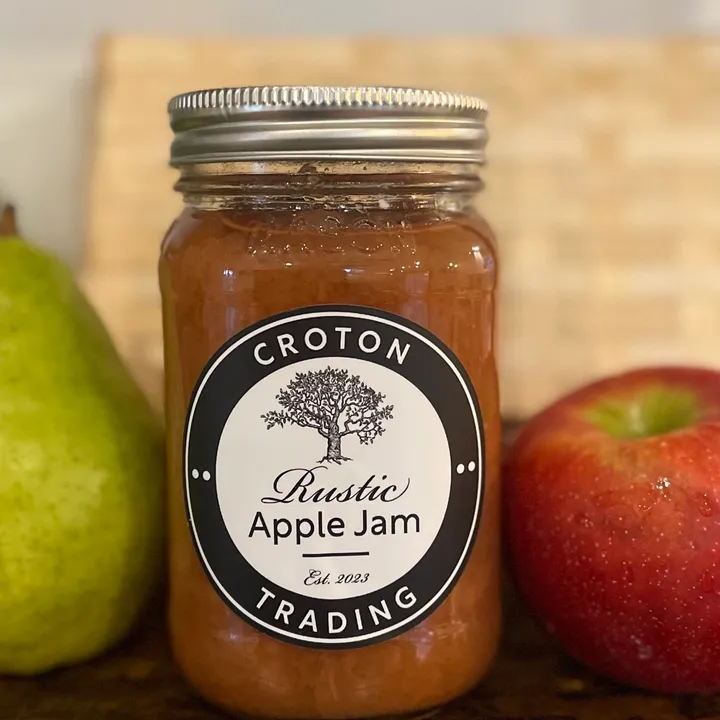
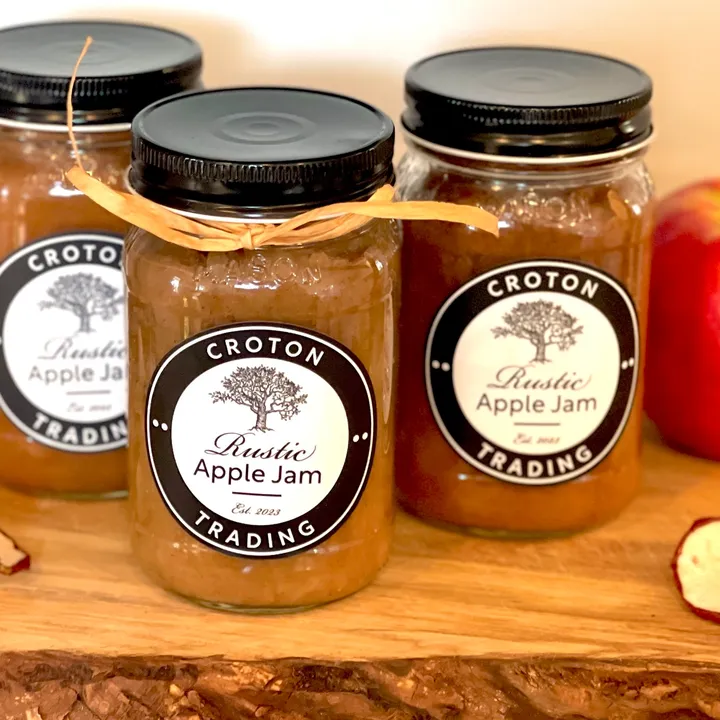
Did you know that New York State is the second largest apple producer in the whole country? Only Washington State tops us. Trust a resourceful friend of ours, Wendy Brovetto, native New Yorker and grandchild of an Upstate New York Farm family, to create truly incredible Rustic Apple Jams in 4 extraordinary flavors. When she did, Croton Trading Co. was born.
Wendy explains ”We created our apple jam after one of those overzealous days of apple picking yielded a larger-than-usual haul. With more apples than any family could consume, the experimenting began and gave way to what we think is the perfect blend of apples and cinnamon.”
“We source our apples from local NY Orchards -- Thompson's Orchard in Westchester Co andl Richters Orchard on Long Island. I have a special fondness for these family-owned farms. Richters Orchard was a big part of my childhood, as my sistersand I would go on weekly outings with my dad to stock up on apples and cider"
"We carefully blend different apples to create our flavor profile and find inspiration from seasonal spices to create our Apple Jam”. Wendy proudly states.
Now Croton Trading Company is up to 4 flavors: Fall Harvest Blend, Ginger Pear Fusion, Chai, and Brown Sugar. You can see the whole range here:
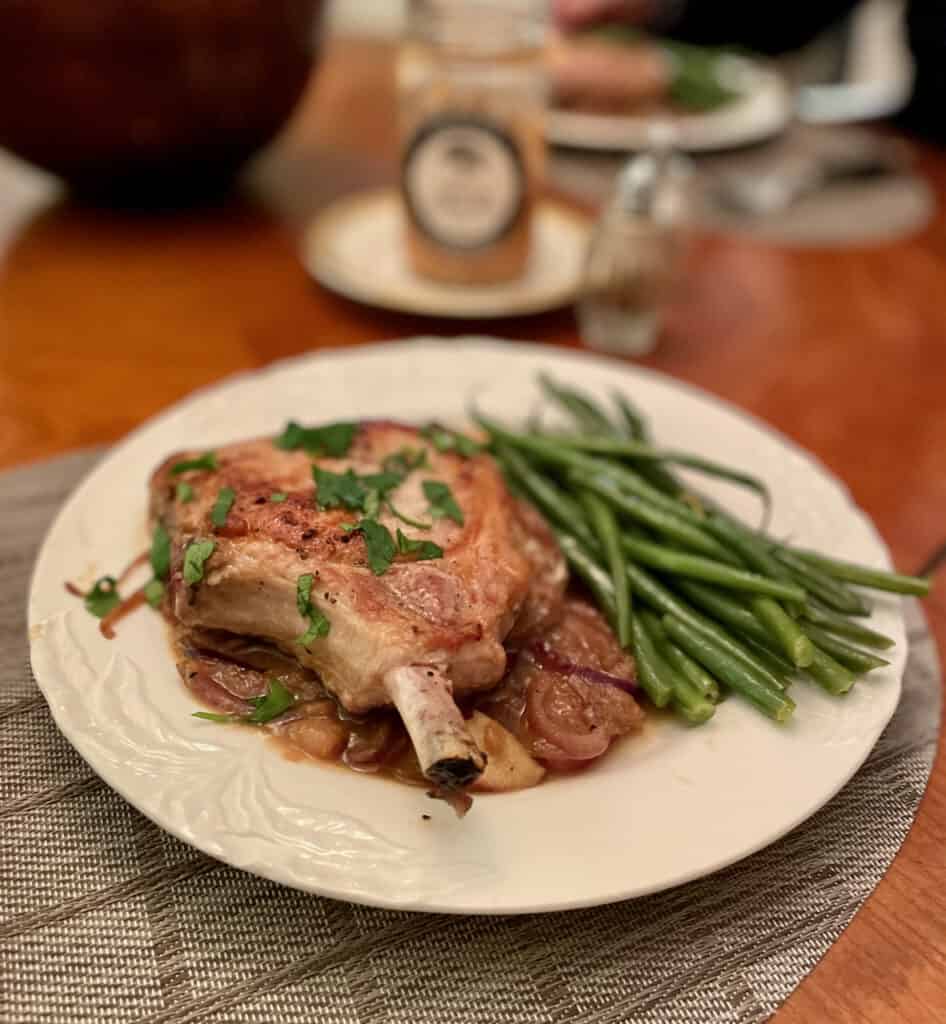
Needless to say, we couldn’t wait to put Croton Trading Company’s Apple Jam to work making our Skillet Apple Pork Chops. This one-pot recipe is perfect for weeknights but so good you may want to serve to company. The chops finish cooking in Croton Trading’s Apple Jam and we always serve it on the side to give even more great apple taste to the dish. Here’s the recipe:
1 ½ tablespoons olive oil, divided
4 (6-oz.) bone-in pork chops
¾ teaspoon kosher salt, divided
¾ teaspoon freshly ground black pepper, divided
½ cup unsalted chicken stock (such as Swanson)
1 cup Croton Trading Rustic Apple Jam (we used Ginger Pear)
1 tablespoon chopped fresh sage
1 ½ teaspoons chopped fresh rosemary
1 small red onion, thinly vertically sliced
Chopped Parsley for garnish.
Heat a large skillet over medium-high heat. Add 1 1/2 teaspoons oil to pan; swirl to coat. Sprinkle pork chops evenly with 3/8 teaspoon salt and 3/8 teaspoon pepper. Add pork chops to pan; cook 5 minutes on each side or until pork chops beautifully browned. Remove from pan. Set aside pan and drippings.
In a small bowl, combine stock and Croton Trading Apple Jam, stirring with a whisk. Set aside. Add remaining 1 tablespoon oil to pan with drippings, swirl. Add remaining 3/8 teaspoon salt, remaining 3/8 teaspoon pepper, sage, rosemary, and onion to pan; cook 4 minutes, stirring occasionally. Stir in stock mixture. Return pork chops to pan; cook 3 minutes or until liquid is reduced by half. Plate each chop individually. Top with chopped parsley as a garnish. Serve with plenty of Croton Trading Apple Jam on the side.
At Fervor, simplicity isn’t a compromise—it’s the point. There are restaurants you discover. And then there are the ones you think you’ve lost—only […]
Never miss a Post on Chewing the Fat. Sign up here!


 Mix with a whisk until smooth. Do not refrigerate as the applesauce is so much better served warm or at room temperature.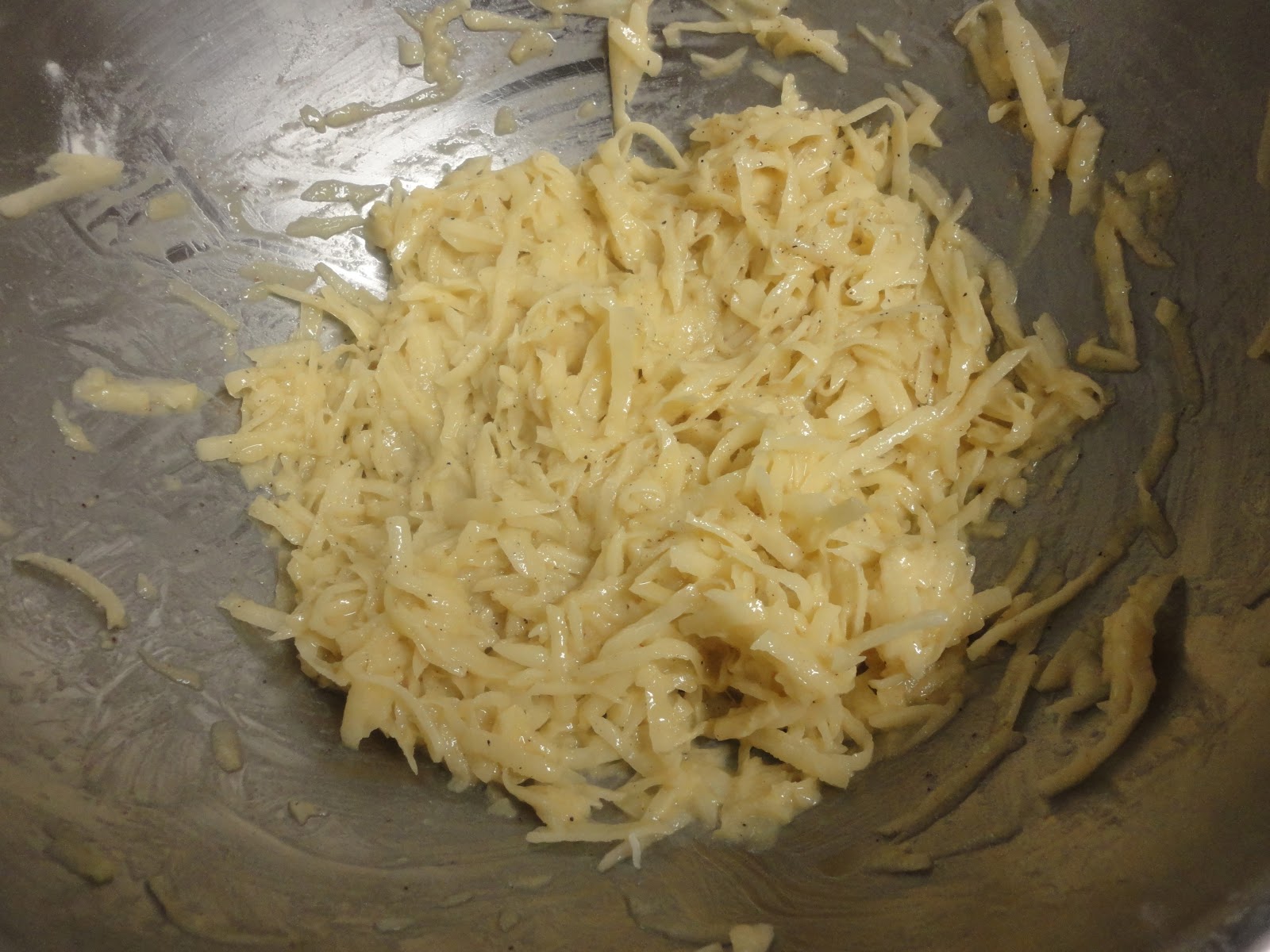







Where’s the onion?
Dear Linda, Ina’s recipe doesn’t call for onion. Perhaps that’s why she calls hers “The Simplest Ever Latkes”! But if you want to add some grated onion, I am sure she would give you a special dispensation. All best, Monte
These may be called simplest but they are not legit. Matzoh meal is what should be used , not flour. Onion is needed for better flavor. The applesauce sounds good and I do prefer applesauce as a topping for latkes.
Hi Charlie, I can’t really speak for this recipe as it is Ina Garten’s. Thanks for bringing the other ingredients to our attention. Bon Appetit! Monte
The applesauce recipe looks amazing (my wife is already a master of about eight different Latke recipes, from traditional Potato/Onion to a Mediterranean variety made with Potato, Artichoke, and Feta to Latkes made from Beets).
In the spirit of returning the favor, one secret to making great Latkes is getting them all the same size (give or take) and having the right pan. Last year I discovered this pan (see link, below), from Browne Food Service, and my wife liked it so much that I bought a second; when you’re making eight dozen Latkes, you need two pans going at once or you’ll be there all day. The pans are heavy-duty commercial grade, with a ¼”-thick Aluminum bottom (stainless-clad), extremely slick, and the helper handle means that you don’t need to be Hulk Hogan to move them around. They’re also very reasonably priced; we use universal lids on them for sweating Onions, etc. Our stove is 48” wide and large enough for two 14” pans; if your stove is smaller, don’t buy two pans if they both won’t fit directly over the burners.
To control the Latke size, use an ice cream scoop. We have about four of them, of varying sizes, so figure out which one holds enough batter for a 4″ or so Latke and go to work (we use a 2 oz. scoop with the little lever that scrapes the batter out of it). My family ran a Kosher catering business, so I grew up with ice cream scoops for Latkes and meatballs, among other things. When making the Latkes, work with two Silicon spatulas and turn them gently so that they hold together and you don’t send oil splattering everywhere.
Use enough oil to cover the pan such that the Latkes essentially float; too much oil that is really hot (shimmering) is better than not enough oil and you’ll likely have to add some as you go; the Olive Oil sold by Costco is great for frying and very reasonably priced (save the fancy Olive Oil for salad dressings, etc.). Stir the Latke batter frequently because the water from the ingredients will settle to the bottom.
A final tip is to make sure your stove is level. If it isn’t, the oil will tend to pool on the sides of the pans and things won’t cook evenly. Most stoves/ranges have adjustable legs, so use a level on top to make sure the cooking surface is level in all directions.
Best regards,
Jeff
https://amzn.to/3SlTqp0
Dear Jeffrey, I cannot thank you enough for this wonderful contribution to Chewing The Fat. Warm regards to you both. Monte