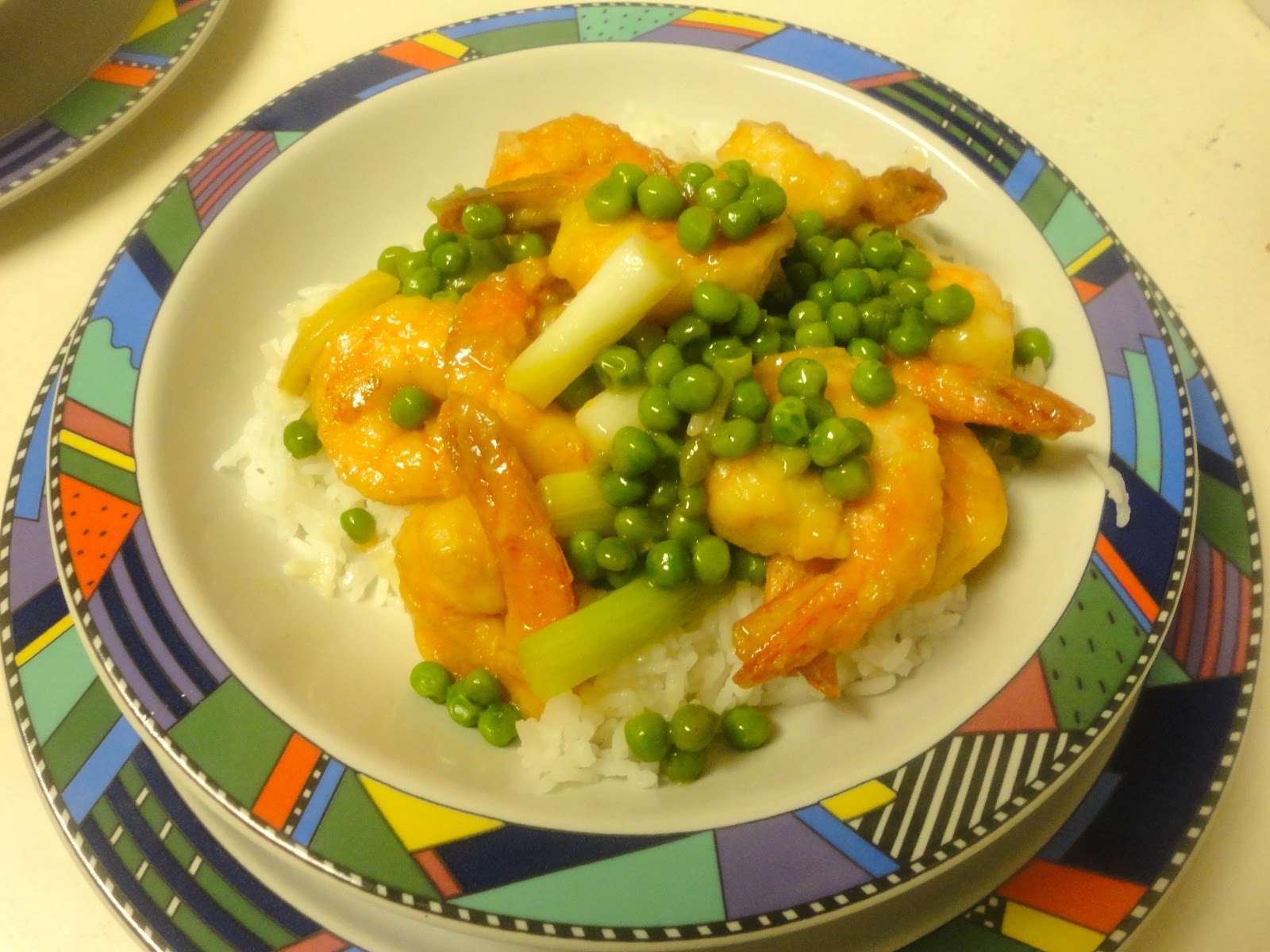
No matter how gray a day it’s been, coming home to a dinner of beautifully pink and gold shrimp paired with sweet peas, fresh scallions and ginger medallions is a visual treat. The simple salting and rinsing of the raw shrimp gives them a firm texture. This recipe, which first appeared in Bon Appetit five years ago, gives credit for the name of the dish to the crystal-like texture of the shrimp. I would also have to say that there is a crystal look to the shrimp as well. There’s not a lot of prep time involved in this recipe however it does require a 1 to 3 hour rest period for the shrimp once they’ve been battered with cornstarch and egg white. While that was going on, I took a look at the history of the Shrimp and another look at where mine come from, that marvel of food shopping, Costco.
 |
| Marco Polo |
In a kind of believe it or not, the shrimp’s name is derived from a Middle English word ‘shrimpe’ which meant ‘pygmy’. This of course could lead to an entire discussion on the dichotomy of the words “Jumbo Shrimp” and doesn’t really give a satisfying answer to why someone would pick up a shrimp and think “Pygmy!” Putting that aside, shrimp has been around for a very long time. The Chinese were eating shrimp in the 7th century. And when Marco Polo arrived in China in 1280, he commented on their abundance in food markets. This country, however, has long held the record for shrimp eating. In the 17th century, Louisiana’s bayou residents were hauling in shrimp in giant seines that were up to 600 feet in circumference! And there were no mechanical devices involved at all – just human labor. It wasn’t until 1917 that mechanized shrimping arrived. And with it came some unfortunate side effects.
Because of the way shrimp are harvested, by scraping the ocean floor, a lot of the shrimp’s natural habitat, the ocean floor is disturbed if not destroyed outright . Since the US harvests over 650 million pounds a year, more than any other country, this has a profoundly negative effect on the eco-system that sustains the shrimp. Shrimp farming might seem to be the answer and to a certain extent it is, when done properly. But like all farmed seafood, the farmers who go the extra mile are the exception to the rule.
 |
| Costco Shrimp No Preservatives Chemical Free |
 |
| Shrimp Farm in Viet Nam |
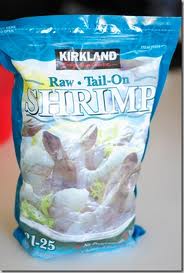
At our house, almost all our shrimp come from Costco. And all of Costco’s shrimp come from Southeast Asia. This makes them immediately suspect since we Americans believe that there can’t be much governmental oversight and the Southeast Asian shrimp must be floating in chemicals. Nothing could be further from the truth. A check of the front of the package reveals two claims: “No Preservatives. Chemical-Free.” Costco’s been in the news recently because its phenomenal success has not come about on the backs of its workers. Instead, Costco excels in hourly wages, healthcare for its employees and extremely tight margins. So it comes as no real surprise that Costco has a comprehensive agreement with the World Wildlife Fund to inspect and certify that the shrimp farms in Southeast Asia meet the Shrimp Aquaculture’s draft standards for shrimp farming. And Costco has a reputation for being on the cutting edge of best practices in seafood retailing. “In terms of seafood buying, they are as good as it gets” says a World Wildlife Foundation post on their work with Costco. And that’s good enough for me. So here is the recipe for Crystal Shrimp which I served on a bed of Jasmine rice from Thailand so my shrimp would feel right at home.
Recipe for Crystal Shrimp with Ginger, Sweet Peas and Scallions adapted from Bon Appetit
Serves 4
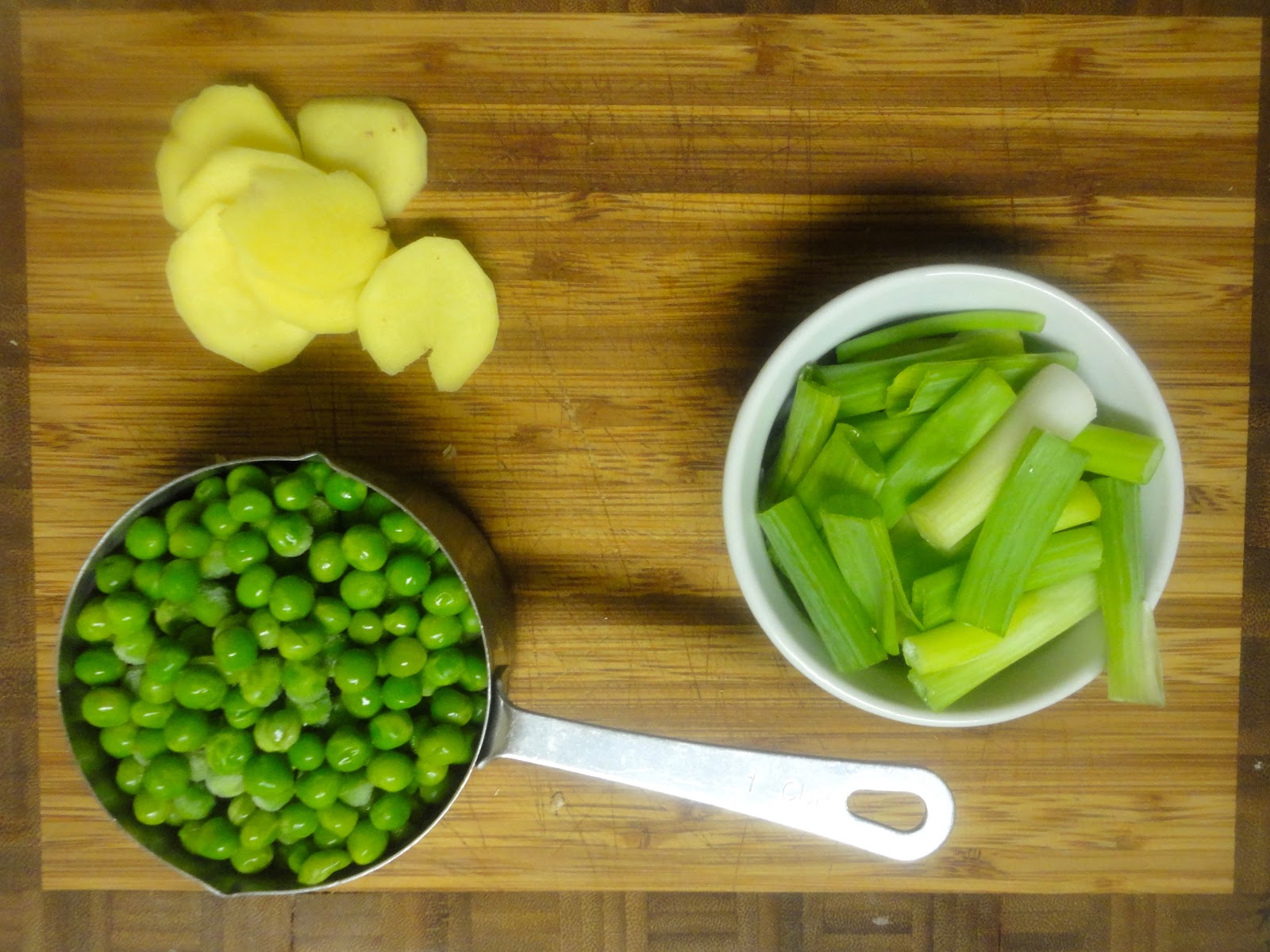
1 pound uncooked medium shrimp, peeled, deveined
2 1/4 teaspoons salt, divided
1 large egg white
1 tablespoon plus 1 teaspoon cornstarch
1/4 cup low-salt chicken broth
2 tablespoons Shaoxing wine (Chinese rice wine) or dry Sherry
1 teaspoon Asian sesame oil
1/4 teaspoon ground white pepper
4 cups peanut oil or vegetable oil
1/2 cup (1-inch-long pieces) green onions
8 quarter-size slices peeled fresh ginger, crushed with side of heavy large knife
3/4 cup frozen green peas, thawed
Place shrimp in colander; rinse under cold running water. Drain. Sprinkle 1 teaspoon salt over shrimp; stir 1 minute. Rinse under cold running water again; drain. Repeat with shrimp and 1 teaspoon salt. Rinse and drain well. Transfer shrimp to several layers of paper towels and pat dry. Whisk egg white, 1 tablespoon cornstarch, and remaining 1/4 teaspoon salt in medium bowl; stir until shrimp are coated with batter. Cover and chill at least 1 hour and up to 3 hours.
Whisk broth, rice wine, sesame oil, white pepper, and remaining 1 teaspoon cornstarch in small bowl; set aside.

Attach deep-fry thermometer to side of 14-inch-diameter flat-bottomed wok or heavy large deep saucepan. Pour 4 cups oil into wok or saucepan and heat over medium-high heat until thermometer registers 375°F. Using slotted spoon, add shrimp (with batter clinging to surface) in batches of 5 or 6; cook just until shrimp turn pink, stirring and separating any that stick together, about 30 seconds.

Using slotted spoon, transfer shrimp to plate. Transfer 1 tablespoon oil from wok to small bowl and reserve. Carefully pour remaining oil from wok into metal bowl (reserve for another use). Wash and dry wok.
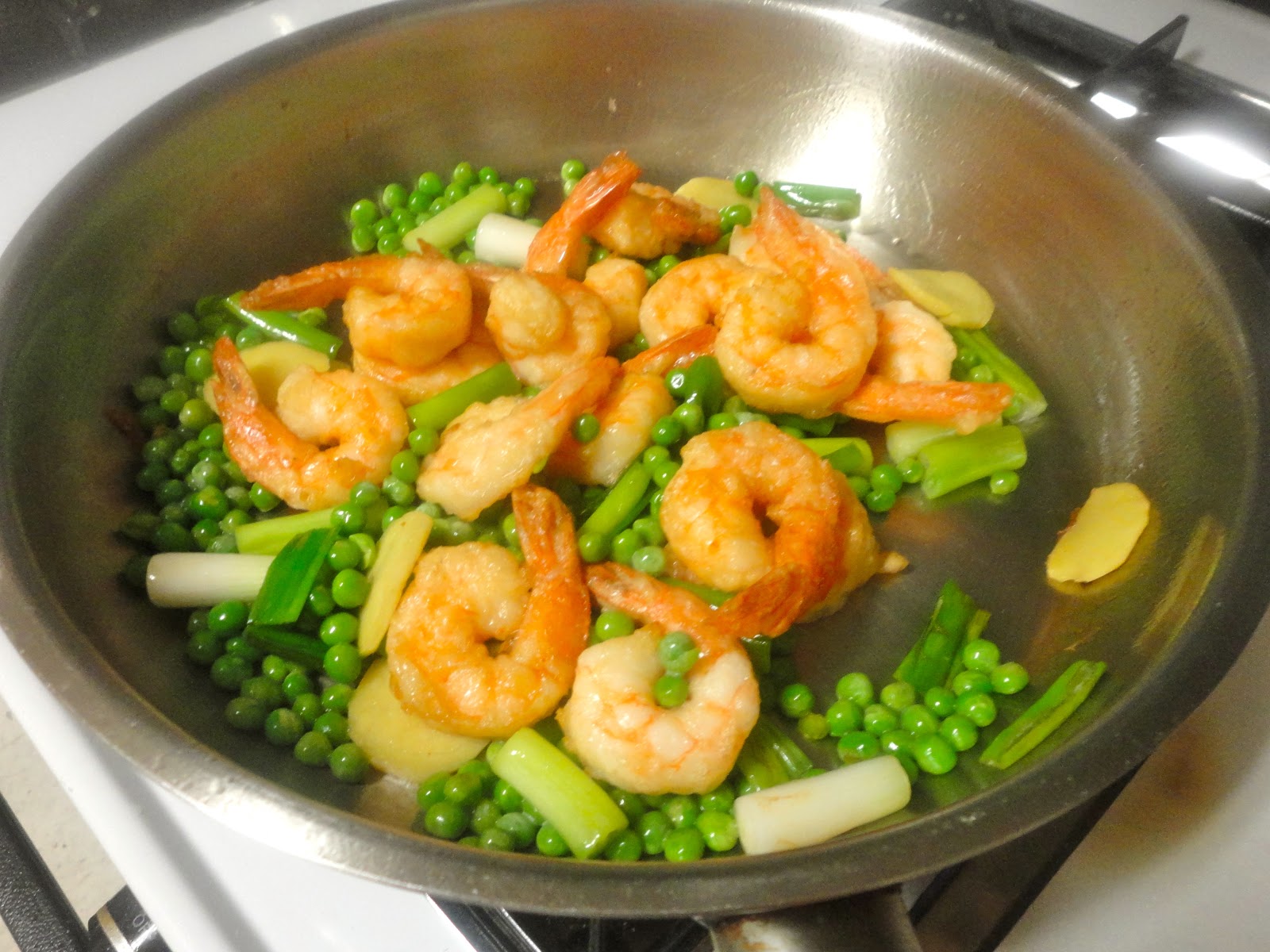
Heat same wok or heavy large skillet over high heat until drop of water evaporates on contact. Add reserved 1 tablespoon oil and swirl. Add green onions and ginger; stir 10 seconds. Add shrimp and peas. Stir in broth mixture; stir-fry until shrimp are just opaque in center and sauce coats shrimp, about 30 seconds.
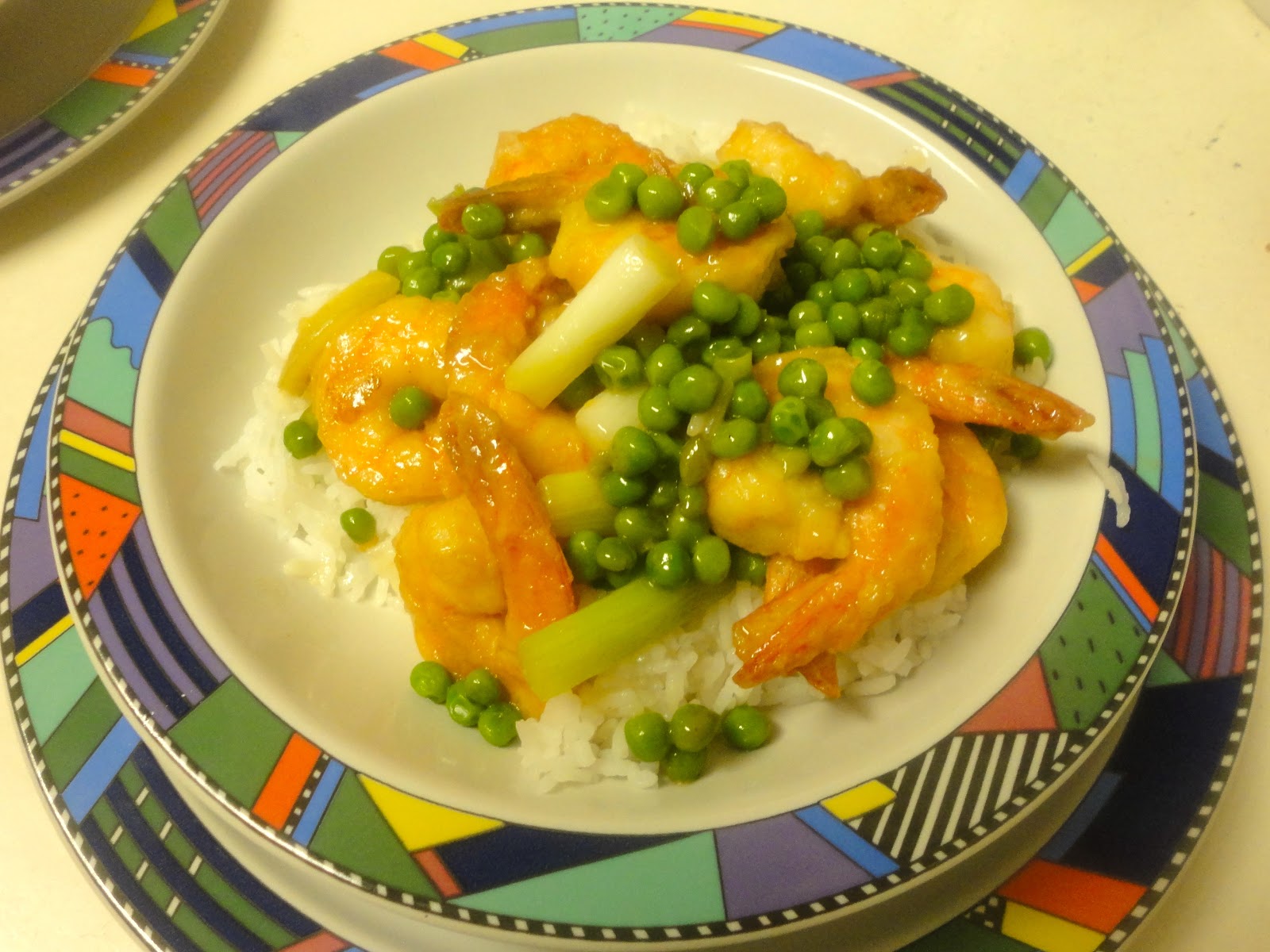
Transfer to bowl and serve.